ADVERTORIAL

Don't Miss Out On the Most Heartwarming Gift—Let This Little Robin Bring Hope, Healing, and "Spring" to Your Soul!


Lately, I've been sinking into a sadness I just couldn't shake.
It felt like a heavy, gray fog had
settled over my life, and no matter how hard I tried, I couldn't
find the "sun" again.
My passion for gardening, my favorite books, even my morning
tea—everything felt drained of color. Each night after work, I
just wanted to close the curtains, hide from the world, and let
myself fall into an endless void of exhaustion.
I looked it up, and I learned it
was a feeling many of us experience in winter—the cold, gray days that seem to linger, even when spring is
just around the corner.
I
knew I had to find a way to lift myself up, but I felt paralyzed.
Surprisingly, a little Robin brought me back to light and
warmth
One day, an unexpected package arrived from my daughter in
London. With Mother's Day still weeks away, I was surprised and a
bit confused.
When I opened it, I realized—it was a thoughtful birthday gift I
hadn't been expecting.
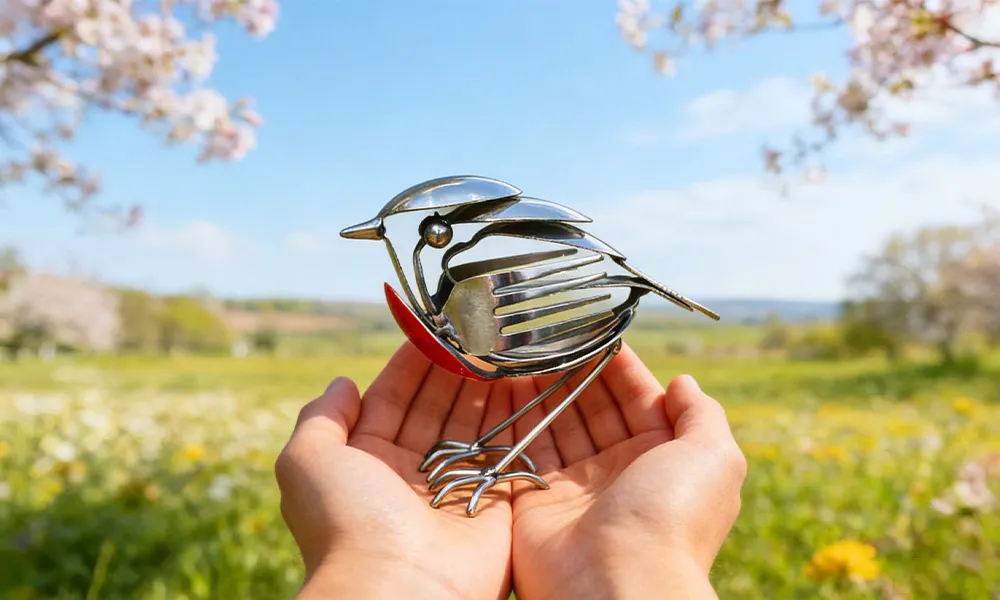
The weight of stress had me losing track of time. I hadn’t even
realized my birthday was coming up, or that spring was already
making its way in.
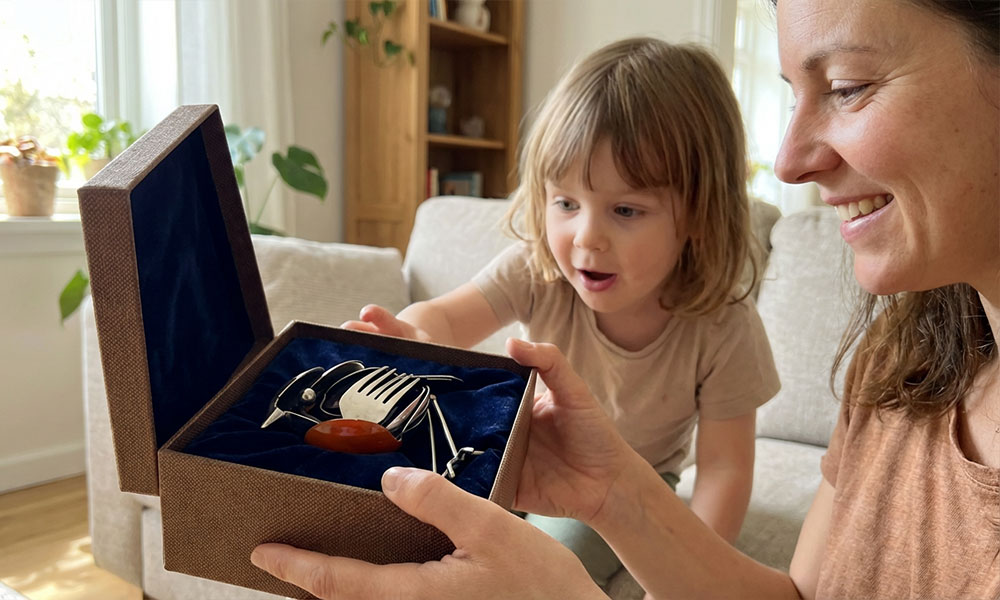
The moment I lifted the lid, a deep sense of comfort and joy
filled my heart.
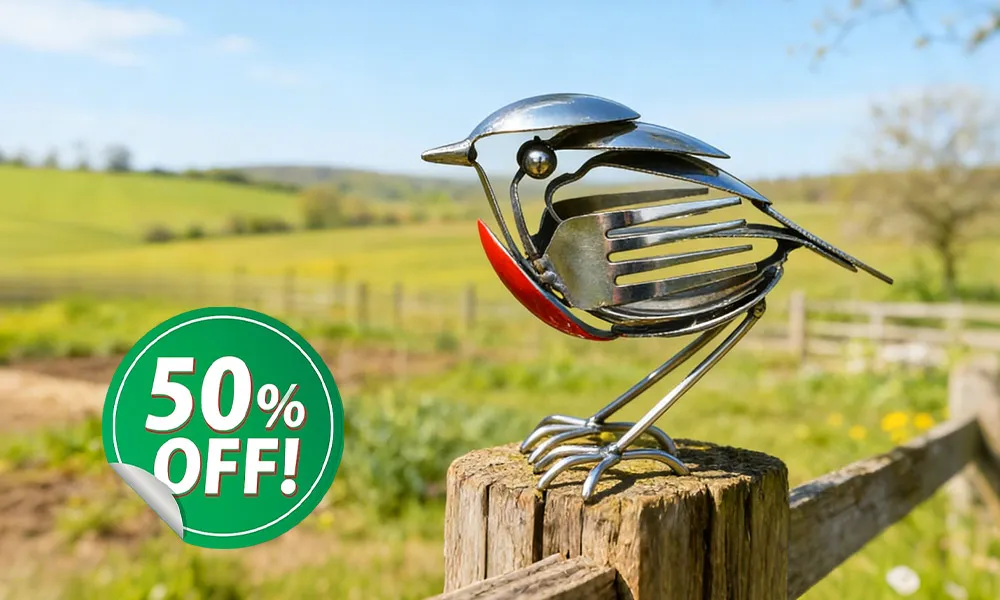
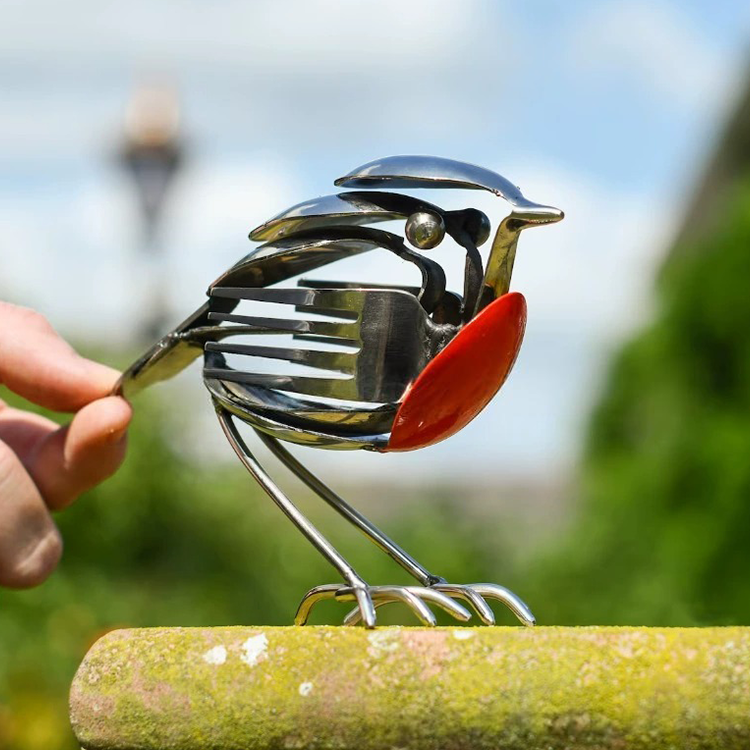
Inside was the most exquisite piece of metal artistry I had ever
seen.
The shimmering, handcrafted feathers, the poised stance, and
that gentle, alert gaze perfectly captured the spirited soul of
a real Robin.
Even
without direct sunlight, its metallic finish seemed to glow with a
quiet, resilient energy.

I stepped outside and placed it on my garden porch railing, right
where it could catch the morning light. Something shifted almost
immediately.
Each morning, as I sip my tea and catch a glimpse of it standing
guard in the morning light, I feel a small but real sense of
comfort…
like the world is gently nudging me to smile again.
It
reminds me that beauty still remains all around me, encouraging me
to rekindle my own enthusiasm for life.
Time slipped away silently, and I
found that the heavy haze above my head had finally dissipated.
Meet the Besyner HopeWings—A Symbol of Resilience and Renewal
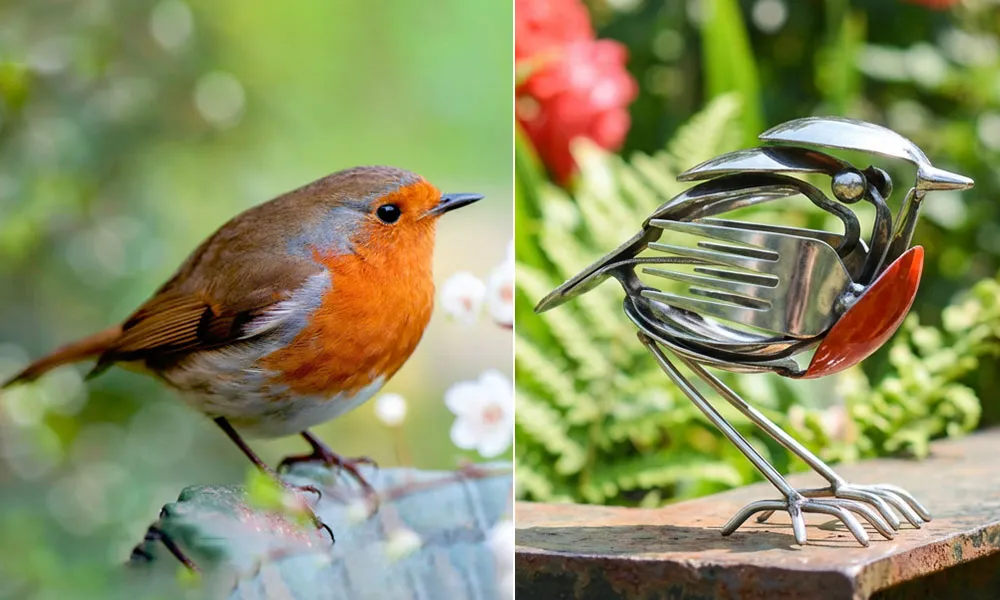
The Besyner HopeWings is more than a decoration—it's a permanent piece of "Spring" designed to brighten your spirit every single day.
🌞 A Symbol of New Beginnings: With
its lifelike pose and spirited energy, this Robin serves as a
daily reminder that you, too, can begin again.
🌿 A Touch of Nature's Magic:
Hand-finished to capture the rustic beauty of the woods, it brings
a sense of peace and "outdoor zen" to any room or garden.
❤️ The Ultimate "Thinking of You" Gift:
It carries a deep, emotional meaning that flowers or cards simply
can't match. It's a silent hug for anyone going through a hard
time.
Crafted for a Lifetime of Hope
Unlike fragile glass or cheap plastic,
the
Besyner HopeWings
is made from high-quality, weather-resistant metal.
Whether it’s standing guard on your garden porch or your sunny
mantle, this little Robin is a permanent piece of "Spring" that
won't fly away—bringing a daily dose of hope and a gentle smile to your heart
through every season of life.
Hear From Others Who Found Their "Ray of Hope"
Spreading the Light
Moved by how much this little bird helped me, I decided to share
this hope with two other women in my life who were struggling—one
to a friend navigating a difficult divorce, and another to my
sister who was feeling the weight of loneliness.
The reactions were heart-wrenching
in the best way.
💬 "I just opened it and... I'm
actually crying. It’s exactly what I needed to see today."
💬 "It’s the first thing I look at when I wake up now. It’s
like having a little piece of Spring right there."
Isn't it amazing how a small token of hope can spark something so
big?
Instead of staring at dull walls or feeling weighed down by the
world, these Robins remind us that joy is always within reach.
Sometimes, we just need a little messenger to point the way.
Claim Your 50% Savings Before They're Gone
Right now, the Besyner HopeWings is available at an exclusive 50% discount to help more people bring "Spring" into their homes.
Why People Love Their Robin:
✅ Instantly Lifts Mood: A
cheerful, soulful presence in any room.
✅ Hand-Finished Artistry: Each
bird has its own unique, rustic character.
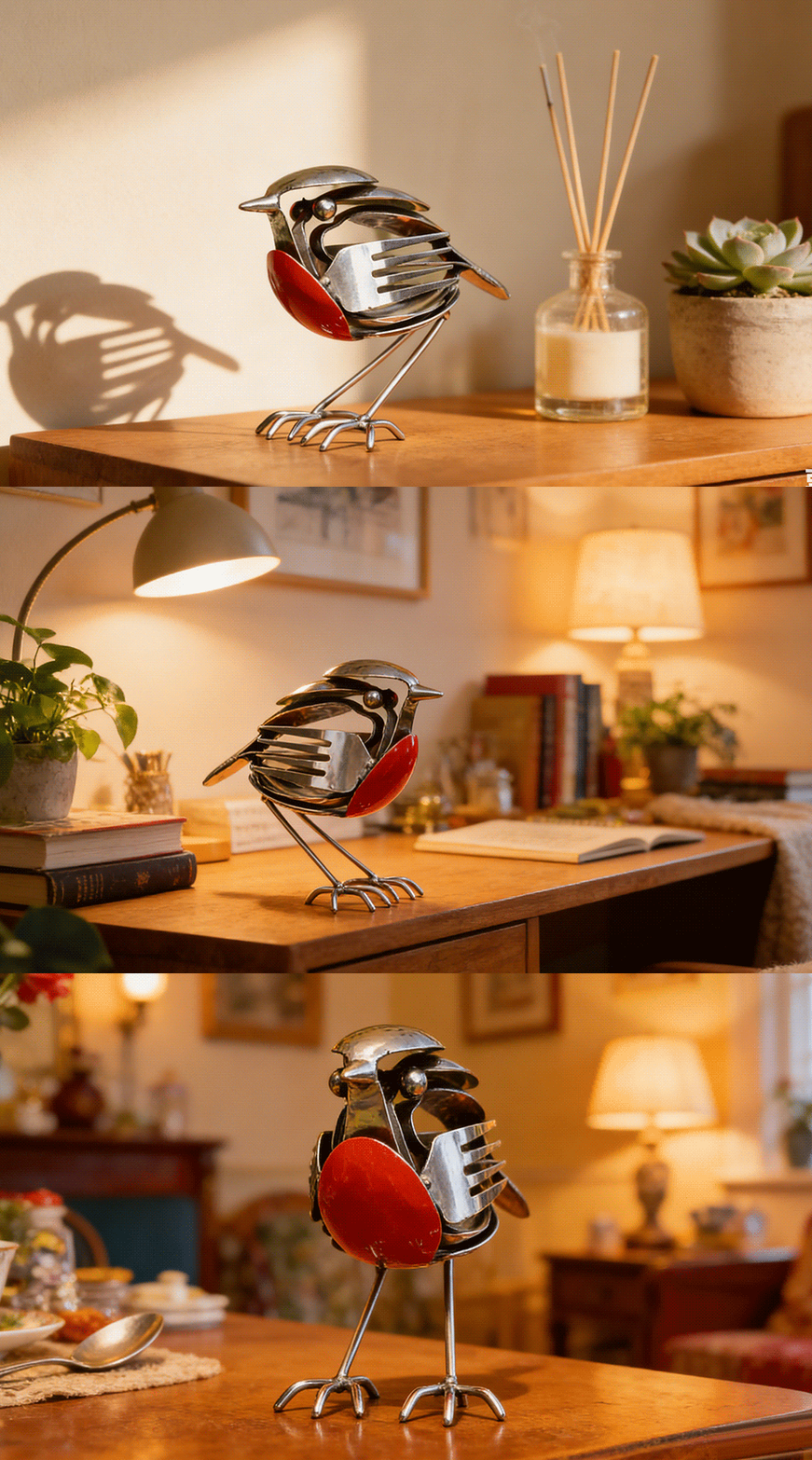
✅ Perfect for Any Space: Looks
stunning on windowsills, bookshelves, or tucked into a potted
plant.
"Spring doesn't wait, and neither should you."
Join 10,000+ happy homeowners who found their "Spring" this year.
— Sarah M., Ohio
— David K., Texas
— Lydia T., Florida